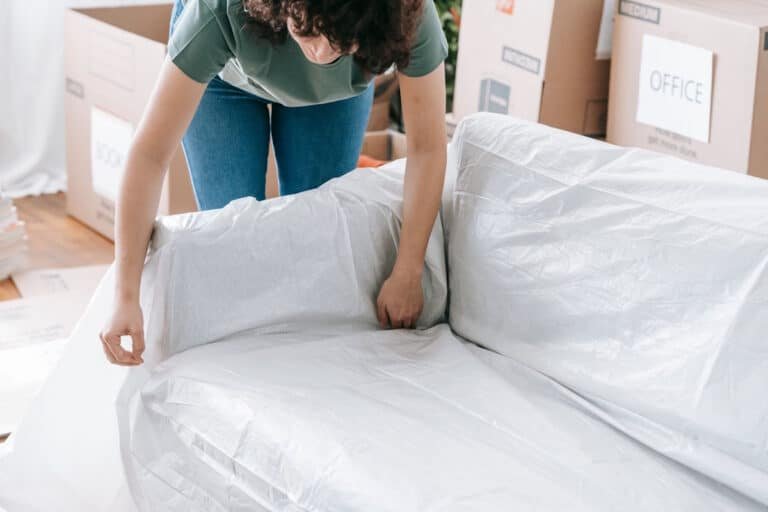
Yes, many removal companies can pack your belongings for you. Depending on the service you choose, they may pack your entire home, handle only fragile or difficult items, or simply provide the boxes and materials while you do the packing yourself.
However, packing is not automatically included in every removal quote. It is usually a separate service that must be discussed and priced before moving day. What is included also varies between companies, so it is important to confirm the details in writing rather than assuming that “full service” means the same thing everywhere.
This guide explains the main packing options, what professional packers normally handle, what you may need to pack yourself and how to decide whether the service is worth paying for.
What does a removal company packing service include?
A professional packing service usually combines labour, suitable packing materials and an organised system for preparing your belongings for transport.
Depending on the quotation, the team may provide:
● Small, medium and large moving boxes
● Wardrobe boxes for hanging clothes
● Packing paper and bubble wrap
● Tape and labels
● Covers for mattresses and upholstered furniture
● Protective wrapping for mirrors, pictures and televisions
● Specialist cartons or crates for unusual items
● Room-by-room labelling
● Dismantling of agreed furniture
The packers work through the property systematically, wrapping individual items, filling empty spaces inside boxes and labelling each container by room or destination. The objective is not simply to put everything into boxes quickly. It is to make the load safe to carry, efficient to transport and easier to unload at the new property.
The British Association of Removers Code of Practice states that packing methods and materials used by its members should be suitable for the protection and safe transport of the goods being moved. Whether or not your chosen company is a BAR member, you should still ask what materials it will use and how fragile belongings will be protected.
Full packing, partial packing or self-packing
Professional packing is not an all-or-nothing decision. Most moves fit into one of the following options.
With a full packing service, the removal team packs most of the contents of your home. This can include books, kitchenware, clothes, ornaments, pictures, toys and everyday household belongings.
It is usually the most useful option when:
● You are short on time
● You are moving a large household
● You have children or other caring responsibilities
● You have a substantial amount of fragile property
● You are moving a long distance or internationally
● A health condition makes packing difficult
● Your completion date has been confirmed at short notice
You will still need to separate personal documents, medication, valuables and anything required during the journey. A full pack does not mean handing over every object in the property without making any decisions first.
A partial pack allows you to pack straightforward belongings while the professionals handle selected rooms or categories.
For example, you could pack clothes, books and bedding yourself but ask the removal company to pack:
● The kitchen
● Glassware and crockery
● Artwork and mirrors
● Televisions and electronics
● Antiques or decorative objects
● A collection of fragile items
This is often the best compromise between cost and convenience. Kitchens are particularly time-consuming because they contain many small, fragile and irregularly shaped objects. Paying for help in one difficult room can remove a large amount of work without requiring a full packing service.
Some companies offer a fragile-only service. The team packs items with a higher risk of damage while you prepare everything else.
Before booking, ask what the company considers “fragile”. A standard package may cover glass, china, mirrors and pictures but not automatically include high-value artwork, antiques, chandeliers or specialist equipment. These items may need additional materials, declared values or custom crates.
If you choose to pack everything yourself, the removal company normally loads, transports and unloads the sealed boxes. Some companies can also supply professional-quality boxes and protective materials in advance.
Self-packing may be sensible when:
● You have a small or straightforward move
● You can begin several weeks in advance
● Your budget is the main consideration
● You have few fragile possessions
● You prefer to sort every item personally
It is less suitable if you are already close to moving day, have many delicate belongings or are likely to rush the final boxes. Poor packing can lead to breakages, unsafe boxes and delays during loading.
Which packing option should you choose?
| Option | Best suited to | Main advantage | Main consideration |
| Full packing | Large, urgent, complex or long-distance moves | Saves the most time and physical effort | Highest packing cost |
| Partial packing | People who can pack most items but need help with difficult areas | Flexible balance between cost and support | Responsibilities must be clearly divided |
| Fragile-only packing | Homes with glassware, artwork or delicate collections | Professional protection for higher-risk items | Confirm exactly which items are included |
| Self-packing | Small moves with enough preparation time | Lowest labour cost and full control | Requires time, suitable materials and careful packing |
Do not choose based only on the number of bedrooms. A minimalist three-bedroom home may be easier to pack than a one-bedroom flat filled with books, collections and fragile objects. The removal company needs an accurate inventory or survey to recommend the right level of help.
What will professional movers normally pack?
Subject to the company’s terms, professional packers can usually prepare most ordinary household contents, including:
● Books and ornaments
● Crockery, glasses and cookware
● Clothes, shoes and bedding
● Lamps and decorative objects
● Pictures, mirrors and standard artwork
● Toys and games
● Small appliances
● Televisions, monitors and other electronics
● Contents of cupboards, drawers and shelves
They may also wrap larger furniture, protect mattresses and dismantle agreed items such as beds, wardrobes or tables. Dismantling and reassembly should be listed separately in the quotation because it is not necessarily included with basic packing.
If you want to pack independently, our room-by-room packing guide explains how to organise different parts of the home.
What might a removal company refuse to pack?
Every company has its own exclusions, but movers may ask you to transport certain belongings yourself or remove them before packing begins.
Common examples include:
● Cash, bank cards and jewellery
● Passports, contracts and important personal documents
● Prescription medication
● Keys and electronic access devices
● Perishable, frozen or refrigerated food
● Open containers that could leak
● Paint, fuel and other flammable products
● Gas cylinders, fireworks and hazardous chemicals
● Plants or animals
● Items with an unusually high value that have not been declared
Do not hide excluded materials inside an ordinary box. A leaking chemical or undeclared hazardous item can damage the rest of the load and create a safety risk.
Ask the company for its exclusion list before packing day. If you are moving abroad, request destination-specific guidance because customs and transport restrictions may also apply.
Do removal companies unpack at the new home?
Some do, but “unpacking” can describe very different levels of service.
A basic unpacking service may mean opening boxes and placing items on clear surfaces. It does not necessarily include arranging cupboards, making beds, installing appliances or organising every room exactly as it was before.
Ask the company:
● Will boxes be opened or only delivered to the correct rooms?
● Will items be placed in cupboards and drawers?
● Is furniture reassembly included?
● Will packing materials be removed afterwards?
● How much time is allocated for unpacking?
If you want unpacking support, prepare a clear floor plan and label boxes by their destination in the new home. Even professional movers cannot place belongings accurately if rooms and storage areas have not been assigned.
How does professional packing work?
The process should begin with an inventory, photographs, a video survey or an in-person visit. The company needs to understand the volume of belongings, the number of fragile items, property access and any unusual objects before confirming the crew, materials and price.
Show the surveyor lofts, garages, sheds and storage cupboards. Forgotten spaces are a common reason for needing extra materials or time.
The quotation should state which rooms and items the team will pack, which materials are included and whether dismantling, unpacking or waste removal is part of the service.
If you are combining professional and self-packing, make the boundary obvious. For example, agree that the company will pack the kitchen and artwork while you pack the bedrooms and office.
You prepare personal belongings
Before the packers arrive, remove anything that should not enter the removal vehicle. Prepare a suitcase or essentials box containing medication, documents, chargers, toiletries, a change of clothes and the items needed during the first night.
The team packs and labels the property
Professional packers normally work room by room. Boxes should be labelled clearly, and fragile or specialist items should be identified. For a larger move, a numbered inventory can make it easier to confirm that every box reaches the destination.
The property receives a final check
Walk through cupboards, lofts, garages and outdoor areas before the vehicle leaves. Open drawers and check behind doors. Once the move is underway, retrieving one forgotten box can be difficult and expensive.
How much does a professional packing service cost?
There is no reliable single price because the work depends on what you own rather than the property label alone.
The quotation may be affected by:
● The number and type of belongings
● The level of service selected
● The number of packers required
● Packing materials
● Fragile, valuable or unusually shaped items
● Furniture dismantling and reassembly
● Property access and parking
● Whether packing is completed on the same day or in advance
● Unpacking and removal of used materials
Ask for packing to be shown as a separate line in the removal quote. This makes it easier to compare a full pack with a partial service and prevents uncertainty about which materials are included.
A low packing price is not useful if it excludes boxes, specialist protection or enough time to complete the job properly.
Are self-packed boxes insured?
Do not assume that every box receives identical protection simply because the removal company advertises insurance.
Some contracts limit liability for the contents of boxes packed by the customer because the mover cannot verify how those items were wrapped or whether the box was already damaged. Other policies may cover self-packed goods subject to specific conditions.
Before choosing between professional and self-packing, ask:
● What protection applies to company-packed boxes?
● What protection applies to boxes I pack myself?
● Are fragile or high-value items subject to separate limits?
● Must valuable items be declared before the move?
● What evidence is required if something is damaged?
● How quickly must a claim be reported?
Read the actual insurance or liability terms rather than relying on the phrase “fully insured”. The rules vary between providers, and the answer can materially affect whether self-packing is the cheaper option.
How to prepare before the packers arrive
Professional packers save time, but they should not be expected to decide which possessions you still want.
Sell, donate, recycle or dispose of unwanted belongings before the survey and packing day. Otherwise, you pay for materials, labour and transport to move things you intend to discard later. Our guide to decluttering before moving can help you work through the property systematically.
Choose one cupboard, bathroom or clearly marked corner for items travelling with you. Include passports, medication, jewellery, keys, phones, laptops and moving-day essentials. Tell the packing supervisor that the area is excluded.
Use frozen and refrigerated food before moving day. Close and separate any permitted liquids, and remove products that could leak or are excluded by the mover.
Identify valuable and unusual items
Point out antiques, artwork, musical instruments, safes and specialist equipment during the survey, not after the crew arrives. The company may need different materials, additional people or a separate handling plan.
Clear hallways and entrances, reserve parking where required and arrange access to lifts or loading areas. Keep children and pets away from active packing and carrying routes.
Questions to ask before booking a packing service
Use these questions when comparing quotations:
1. Do you offer full, partial and fragile-only packing?
2. Which materials are included in the price?
3. What will you not pack or transport?
4. Will you pack items inside drawers and cupboards?
5. Is furniture dismantling and reassembly included?
6. How will mirrors, artwork and electronics be protected?
7. How many packers will attend, and when will packing begin?
8. What protection applies to self-packed boxes?
9. Do high-value items need to be declared separately?
10. Can you unpack and remove used packing materials at the destination?
11. What must I do before the team arrives?
12. How will additional materials or work be charged?
The answers should appear in the written quotation. If an important service is not listed, do not assume it will be provided on moving day.
Is professional packing worth it?
Professional packing is worth considering when the time, risk and physical effort of packing are more important than minimising the initial price. It is particularly useful for large homes, fragile contents, demanding work schedules and moves with little preparation time.
It may be unnecessary for a small, well-organised move if you have suitable materials and enough time to pack carefully. Partial packing is often the most practical middle ground: you remain in control of straightforward belongings while professionals handle the rooms or objects most likely to cause delays or damage.
The right question is not simply, “Do removal companies pack?” It is, “Which parts of this move would be safer or more efficient if someone else packed them?”
Let Changing Keys handle as much or as little as you need
Changing Keys can provide boxes and packing materials, pack the contents of your home or move belongings you have already prepared. The team can also protect, load and transport your possessions and dismantle or reassemble agreed furniture.
When requesting a quote, explain which rooms you want professionally packed, identify fragile or high-value items and ask for packing, materials and any unpacking support to be listed separately. A clear inventory allows the team to recommend the right service without charging you for help you do not need.