Moving to a new home can be an exciting, yet overwhelming experience. Whether you’re upgrading to a bigger place, downsizing, or simply relocating for a job, the packing process is one of the most important and often stressful parts of the move. However, with the right strategy and organization, packing can be a manageable task. In this guide, we’ll walk you through packing tips, broken down by room, so that you can stay organized and make your move as smooth as possible. Contact us today for a free quote!
1. Start early and declutter:
Before diving into packing, it’s important to start early and declutter your space. This will not only reduce the number of items you need to pack but also ensure that you’re only moving the things you actually want and need. Go through each room, and sort your items into three categories: keep, donate, and discard. The fewer items you have to pack, the easier the entire process will be.
2. Gather the right packing supplies:
Having the right packing materials is essential for keeping your belongings safe during the move. Stock up on: – Boxes in various sizes (small, medium, and large) – Packing tape – Bubble wrap or packing paper for fragile items – Packing peanuts – Marking pens for labelling – Furniture covers or blankets for large pieces – Plastic bags for loose items like bedding or pillows – Shoe boxes for shoes and accessories.
3. Packing by room: tips for every space:
Living Room: The living room often contains a mix of furniture, electronics, and decorative items. Here are some key packing tips:
– Electronics: Use the original packaging if you still have it. If not, wrap each electronic item (like TVs, speakers, or lamps) in bubble wrap or blankets for protection. Label the cords and place them in ziplock bags to keep them organized.
– Furniture: Disassemble larger furniture items (like bookshelves or coffee tables) to save space and reduce the risk of damage. Wrap legs in blankets or furniture pads.
– Artwork and Mirrors: These items should be packed carefully to avoid breakage. Use mirror boxes or wrap them in moving blankets and label them as fragile.
– Books & Media: Books can be packed into small to medium boxes to avoid making them too heavy. For DVDs, CDs, or vinyl records, pack them into sturdy containers or storage boxes.
– Kitchen: The kitchen is often the most challenging room to pack due to fragile items, odd-shaped appliances, and food. Here’s how to tackle it:
– Dishes and Glassware: Wrap each dish in packing paper or bubble wrap. Place heavier items like plates at the bottom of the box and lighter items, such as glasses, on top. Fill any gaps in the box with packing peanuts or crumpled paper.
– Sharp Objects: Knives and other sharp objects should be wrapped securely in cloth or bubble wrap and placed in a sturdy box. For extra safety, use a plastic container or a knife block.
– Small Appliances: Wrap appliances like blenders, toasters, and mixers in blankets or bubble wrap. If they have cords, tie them up and place them inside the appliance before packing.
– Foods: While you’ll want to use up most of your pantry items before the move, you can pack non-perishable foods in smaller boxes. Consider donating or giving away expired items. Don’t forget to keep track of any food that needs to be transported with care (e.g., refrigerated or frozen items). Bedroom: The bedroom is usually home to clothes, bedding, and furniture. Here’s how to pack it efficiently:
– Clothing: You can use wardrobe boxes to hang up clothes directly from your closet. For folded clothes, pack them into suitcases or boxes. Consider vacuum-sealing seasonal items to save space.
– Bedding: Pack sheets, blankets, and comforters in large plastic bags. Pillowcases can be stuffed with smaller, loose items to save space.
– Furniture: Disassemble any large furniture, like bed frames or dressers. Use furniture covers for larger pieces like mattresses to protect them from dust and dirt.
– Jewellery: For valuable or delicate items like jewellery, pack them in smaller boxes or even in your personal bag. For your bedside essentials, such as a lamp or alarm clock, pack them carefully to prevent damage. Bathrooms: The bathroom often has personal items that require special attention. Here’s how to pack them:
– Toiletries: Place toiletries like shampoo, conditioner, soap, and toothpaste into a plastic bag or plastic container to prevent leaks. Seal liquids in plastic bags to protect other items.
– Towels/Linens: Roll or fold towels and bathrobes and place them in a large bag or box.
– Medications: Make sure to keep all medications in a separate, easily accessible box or bag for transport. Avoid packing these in the moving truck to prevent temperature fluctuations.
– Cleaning Supplies: Group cleaning supplies together in a plastic bin or box. Be sure to clearly label these items and store them in a safe, upright position. Home Office: For many people, the home office is a critical space filled with equipment, documents, and other office supplies. Here’s how to pack it:
– Documents: Organize important papers into file folders or boxes. Label the boxes for easy identification. Use file dividers or document protectors for sensitive papers.
– Electronics: Pack computers, printers, and other tech equipment with their original packaging, if available. Otherwise, wrap them in bubble wrap and place them in sturdy boxes with plenty of cushioning.
– Desk Items: Group pens, notebooks, and office supplies together in smaller boxes. Use smaller containers for loose items like paper clips or sticky notes. Miscellaneous Areas (Hallways, Closets, and Entryways): Don’t forget to pack these spaces, which can be home to miscellaneous items:
– Coats and Outerwear: Store coats, hats, and scarves in wardrobe boxes or suitcases.
– Shoes: Pack shoes in their original boxes, or use shoe racks to keep them organized. You can also stuff shoes with socks to save space.
– Extra Linens and Storage Bins: Items that don’t fit in other rooms should be packed last. Consider packing seasonal décor, holiday decorations, and extra linens into large, labelled boxes or bins.
4. Label everything:
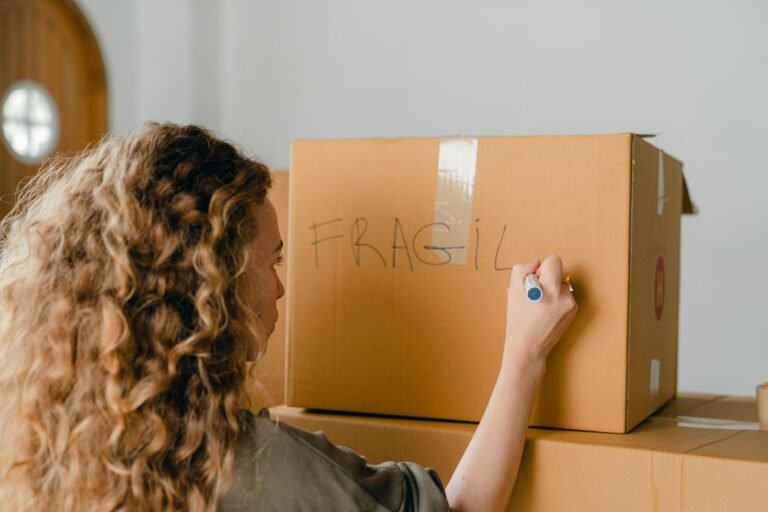
Once your boxes are packed, make sure to label them clearly. Write down the room each box belongs to and a brief description of the contents (e.g., “Kitchen – Fragile” or “Bedroom – Bedding”). This will make it much easier to unpack when you arrive at your new home.
5. Pack a moving day essentials box:
The last thing you want is to rummage through boxes for things you need on the first night in your new home. Pack a “moving day essentials” box with the following:
– Snacks and water
– Toiletries (toothbrush, toilet paper, etc.)
– Basic cleaning supplies (paper towels, wipes)
– Medications and important documents
– Phone chargers
– A change of clothes
– Pet essentials (if applicable)
6. Hire professionals or get help:
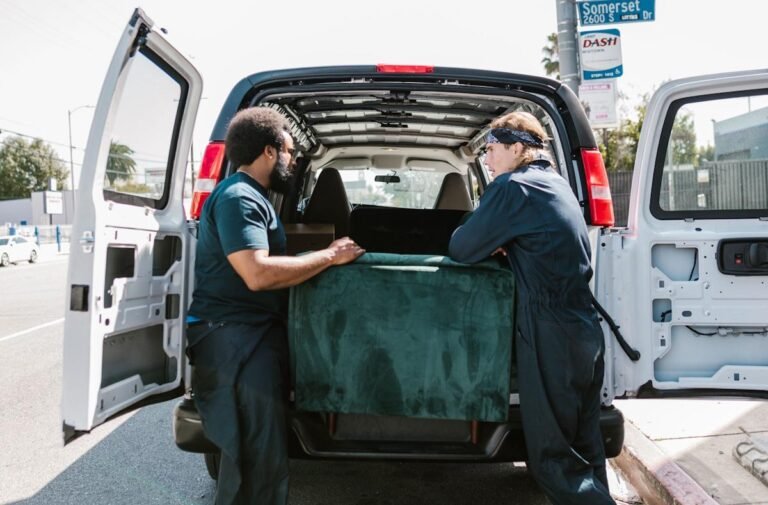
If the packing process feels too daunting, consider hiring professional packers. They can handle the heavy lifting, fragile items, and delicate tasks like disassembling furniture. If you’re moving on a budget, ask friends or family members for help.
Packing for a move doesn’t have to be chaotic. With some planning, the right supplies, and a clear strategy, you can efficiently pack up your home, room by room, and minimize stress during the process. Remember to start early, stay organized, and above all, stay calm. Before you know it, you will be unpacking in your new home, enjoying the next chapter of your life.